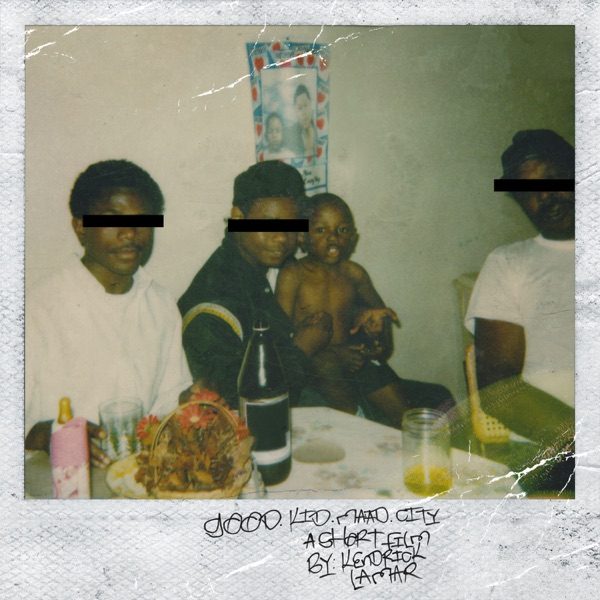
With all due respect to TPAB fans, Kendrick Lamar’s greatest artistic achievement.
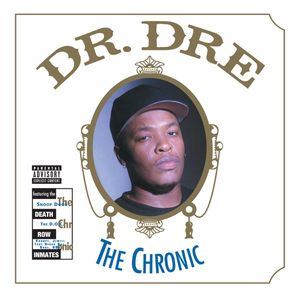
By the time Kendrick Lamar made his major label debut with good kid, m.A.A.d city, he was already the heir apparent to West Coast hip-hop’s crown. Legends like Snoop Dogg and Dr. Dre were singing his praises following Section. 80’s success and, generally speaking, I think everyone knew this LP would be good. What most didn’t expect was how instantly influential it would become.
Every review and list here is free. A paid membership unlocks the exclusive playlists.
Become a memberSpanning 12 tracks and nearly 70 minutes (the deluxe version has a running time north of 90), it’s as unassailable and meticulously constructed a rap album as you’re likely to find. The top-notch production from the likes of Pharrell Williams, Hit-Boy, Tabu, and Just Blaze drips with a laid-back, cool confidence that meshes perfectly with K. Dot’s detailed, vivid lyricism. Unlike his subsequent albums, which feature messier, politically-charged storytelling, this coming-of-age story looks inward, trading in archetypal gangsta rap bravado for reserved, sometimes haunting dissections of the Compton that informs his art. With such cinematic, even poetic tableaus of drug use, police brutality, and gang violence, it’s no wonder Kendrick’s been called “the James Joyce of hip-hop.”
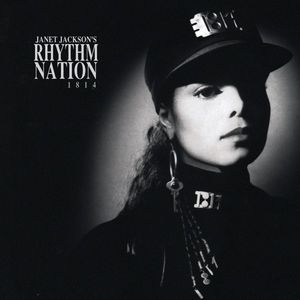
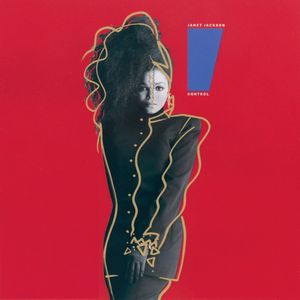
For all the praise that’s heaped on his work since GKMC, the record still features some of K. Dot’s best work—cuts where he certainly sounds freer, unencumbered by the weight of creative and commercial expectations. There’s the effortless zing of “Backseat Freestyle,” an unforgettable snapshot of teenage shenanigans with Kendrick bouncing off a beat originally intended for Ciara. The one-two punch of “Money Trees” and “Poetic Justice” is simply incredible, the latter turning a Janet Jackson sample into the most immaculate neo-soul vibes. “m.A.A.d city” is a blistering treatise on Compton’s uncompromising side, spitting bars like, “Bodies on top of bodies, IVs on top of IVs/Obviously the coroner between the sheets like the Isleys.” The epic “Sing About Me, I’m Dying of Thirst” goes deep on his backstory, not just what his upbringing in an urban ghetto was like but also how he resisted the lure of crime and the easy money that comes with it. The final exclamation mark is “Compton,” which features Dr. Dre going the hardest he has since his glory days of the early 90s.
As outstanding a concept album as it is an act of self-mythologizing, GKMC remains one of the decade’s most enduring cultural documents.