The grandaddy of alt-rock experimentation, catching an icon at his least acquiescent and most fascinating.
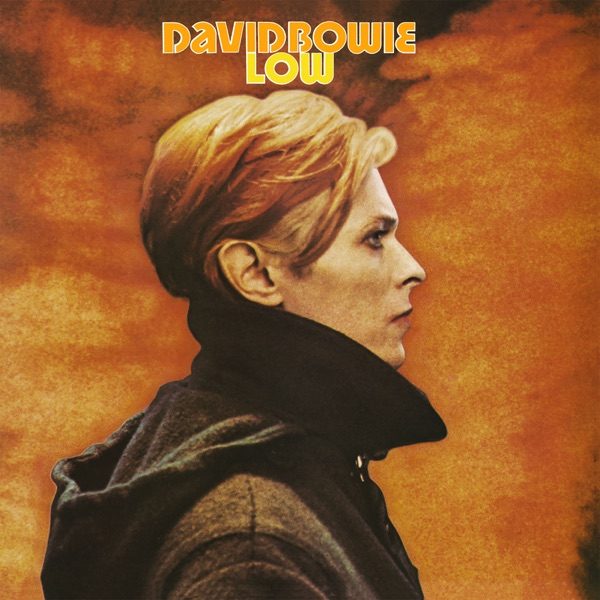
Low is David Bowie’s most obtuse, confrontational album. The trappings of Bowie’s popular hybrid of glam rock, folk, and blue-eyed soul are nowhere in sight. Instead, its avant-garde experimentation, spearheaded by ambient grandmaster Brian Eno, adds electronic, industrial, punk, and new wave elements to the rock icon’s repertoire, daring his fan base to meet the record where it was and accept it on its own terms, however daunting the task may seem. But, for those willing to take the plunge, Low is absolutely mesmerizing, especially in its second half, where Bowie, Eno, and producer Tony Visconti leave vocals in the rearview altogether, delivering one of the finest stretches the trio ever recorded.
Every review and list here is free. A paid membership unlocks the exclusive playlists.
Become a memberEven the moments that exhibit any mainstream appeal spurn popular convention, content with a pleasantly off-kilter approach. The thudding drums (which aren’t gated but treated with an Eventide H910 Harmonizer) on “Sound and Vision” sound like they’ve been teleported in from another dimension, while the clattering piano and whirring guitar strains on “Be My Wife” are more cacophonous than immediately welcoming. But, despite all the experimentation, there’s a relaxed looseness that has helped the record age incredibly well. It’s all the more surprising when you consider that Bowie was on the mend from his rock bottom, a mid-70s period that, among other things, saw him endorse fascism and store his urine in the fridge to prevent a satanic coven from stealing it.
Most people don’t come back from that deep a descent into drug-addled psychosis. Bowie not only returned but, as his Berlin trilogy beckoned, thrived as one of alt-rock’s forefathers.