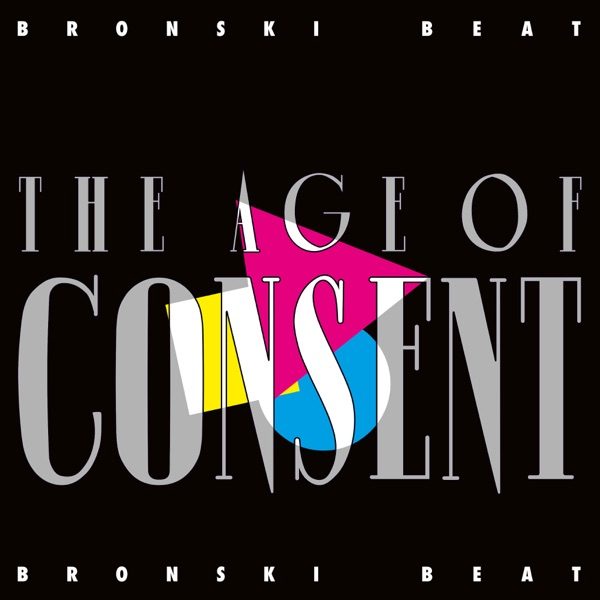
A sweaty synth-pop extravaganza full of poignant vignettes about alienation and identity.
There’s important context embedded in the title of Bronski Beat’s The Age of Consent. By 1984, when the LP was released, the eponymous threshold for “homosexual acts,” as defined by various countries in Europe, had been reduced to 16, except in the UK, where it held steady at 21. The latter had only partially decriminalized homosexuality in 1967 and, in the case of singer Jimmy Somerville’s home country of Scotland, wasn’t deemed “legal” until 1981. One more detail before we get to the music itself: in the album’s original liner notes, Bronski Beat listed the minimum age for lawful homosexual relationships between men in European countries, along with a phone number for anyone wanting legal advice. MCA later removed this information from the stateside release, citing “past sensitivities of several record store chains” regarding the subject matter.
Every review and list here is free. A paid membership unlocks the exclusive playlists.
Become a memberConsidering that, The Age of Consent is clearly more than an indie-dance album. That’s not to say it doesn’t serve up its share of sweaty club anthems. From the incredible opener “Why?” to the synth recontextualization of Donna Summer’s classic “I Feel Love,” you could still throw this record on at a party and do much worse. But, at its heart, this LP is really a defiant statement about identity politics and how intolerance ultimately forces the hands of those it targets. “No More War” could easily be about conflicts between conservatives and gay men who craved basic human rights (“No more living in fear/No more on our bended knees/To live is our right”). “Screaming” is a spiraling fever dream that pre-dates Depeche Mode’s darkwave crossover moment, propelled by Somerville’s towering tenor.
As good as the record is overall, no track hits as hard as “Smalltown Boy,” the queer anthem that made Bronski Beat a household name. It’s a song about fleeing a place you no longer belong in search of liberation, but without the pretense of any fairy tale ending. Somerville and his cohorts are too smart—or perhaps too realistic—for that to happen. In a world where intolerance appears to be growing instead of ebbing, The Age of Consent is a sobering example of how the more things change, the more they stay the same.