One of the past century’s gutsiest and most defiant folk albums.
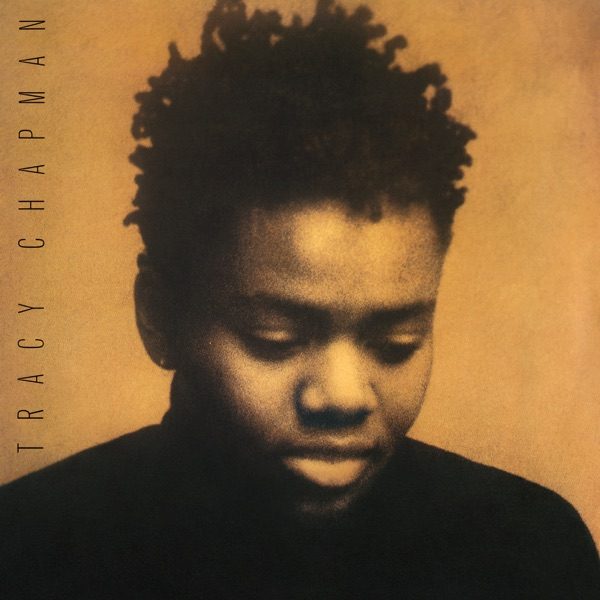
When I think of Tracy Chapman’s self-titled debut album—a record that’s sold over 20 million units worldwide—the word that comes to mind is “ferocious.” Every word, every inflection, every pause is lit from the inside out with a simmering rage, one that’s instantly recognizable to any person or group who feels cast aside by societal structures that push an increasing number of folks to the margins. It’s telling that the opener, “Talkin’ Bout a Revolution,” received heavy radio airplay in 2011 during the Tunisian Revolution, positioning her as more than an American folk hero but a global presence with a universal call to arms: “Poor people gonna rise up/And get their share.”
Every review and list here is free. A paid membership unlocks the exclusive playlists.
Become a memberWhat’s truly remarkable about Tracy Chapman is how fresh and assured it still sounds, especially considering that its eponymous singer/songwriter was only 24 when it was released. She takes big swings in the subtlest of ways, often relying on only her iconic voice to guide her message through some choppy thematic waters. “Across the Lines” grapples with what you might call unofficial segregation in America, while “Behind the Wall,” arguably the most devastating song on the record, paints a haunting picture of silent sufferers of domestic abuse. Even when she shifts gears into a handful of love songs, like “Baby Can I Hold You,” there’s a weariness to her lyrics and performance—the notion that she’s been let down before and resigned to it happening again and again.
And, yes, you have “Fast Car,” the runaway hit single that’s been covered ad nauseam across so many genres and pop culture contexts it’s challenging to keep track. The most recent example was that Luke Combs-Chapman performance of “Fast Car” at the Grammys. This occasion carried some complicated optics (would a queer Black performer have achieved the same success in the country genre without a white male clearing a path for them?) into the mainstream discourse. I hope the newsworthy moment hasn’t totally reduced Chapman’s debut to a one-trick pony. It’s a great song, don’t get me wrong, but it’s just one of several astounding moments on a breathtaking LP.